Expert Dishwasher Repair in Chelsea, MA
Appliance Repair for Homes & Businesses in Chelsea, Massachusetts and Nearby Areas
Dishwasher Repair in Chelsea Massachusetts, Appliance Repair Pros
Dishwasher Repair in Chelsea Massachusetts is a specialized service we provide to help local families reclaim their time and keep their kitchens sanitary. When your dishwasher stops working it quickly transforms from a convenient appliance into a source of frustration. Dirty dishes pile up in the sink, counter space disappears, and you lose valuable hours hand washing plates and silverware. At Appliance Repair Pros we serve homeowners throughout Chelsea and the neighboring communities of Revere, Everett, and Winthrop who are facing urgent kitchen appliance issues. We understand that a breakdown disrupts your evening routine and we are committed to providing a reliable solution.
You may be noticing that your glasses are coming out cloudy, the unit is making strange grinding noises, or perhaps there is a pool of water remaining at the bottom of the tub after a cycle. Whether your dishwasher is leaking onto the floor or simply refuses to start we have the skills to identify the root cause. In Chelsea where housing ranges from historic homes with older plumbing to modern condos with compact kitchens we are familiar with the unique installation challenges found in local residences. We approach every job with a focus on meticulous diagnostics and respectful work habits to ensure your home is treated with care. We aim to restore the performance of your machine so you can trust it to clean your dishes thoroughly every time.
Contact us today.
Dishwasher Repair Services in Chelsea
A modern dishwasher is a complex machine that relies on a precise balance of water temperature, chemical action, and mechanical force to clean your dishware. When one part of this system fails the entire process suffers. We provide comprehensive repair services for all major dishwasher styles and configurations found in Chelsea homes. Our technicians are trained to handle everything from standard built in units to high end integrated models that match your cabinetry. We focus on durable repairs that address the underlying issue rather than just treating the symptom.
Dishwasher systems we work on:
- Standard built in under counter dishwashers
- Portable and rolling dishwasher units
- Drawer style dishwashers
- High efficiency and quiet operation models
- Integrated and panel ready units
- Stainless steel and plastic tub models
- Smart dishwashers with Wi-Fi connectivity
- Compact units for small apartments and condos
What makes dishwasher repair tricky:
- Complex electronic control boards and user interfaces
- Hidden water leaks that can damage subfloors
- Sensitive float switches and flood sensors
- High voltage electrical combined with water systems
- Intricate pump and motor assemblies
- Specific water temperature requirements for sanitation
- Drainage integration with garbage disposals and sink plumbing
Common Dishwasher Problems We Fix
Dishes Are Not Coming Out Clean
The primary purpose of a dishwasher is to clean and sanitize but sometimes you open the door to find food particles baked onto plates or residue left on silverware. This is one of the most common complaints we hear from Chelsea homeowners. It often indicates that water is not circulating correctly or that the wash arms are not rotating as they should to reach every corner of the tub.
Likely causes:
- Clogged spray arm holes blocked by food debris
- Worn out wash pump impeller
- Broken spray arm support or bearing
- Malfunctioning diverter motor
- Inlet valve not letting in enough water
- Clogged main filter or fine mesh screen
How we diagnose it
We begin by inspecting the interior components for physical blockages. We manually rotate the spray arms to check for freedom of movement and inspect the holes for debris. We also run a test cycle to listen to the wash pump. If the pump sounds weak or struggles to circulate water we verify voltage and check the impeller. We also measure the water level to ensure the unit is filling to the correct depth for optimal cleaning.
What you can do right now
Check the filter at the bottom of the tub. Most modern units have a removable cylinder filter that traps food. Rinse this under hot water. Also check the spray arms for any pits or seeds stuck in the holes and remove them with a toothpick.
Dishwasher Is Not Draining Water
Opening your dishwasher to find a pool of murky water at the bottom is unpleasant and can lead to odors and bacteria growth. If the water does not drain it cannot be replaced with fresh water for the rinse cycle which means your dishes are being washed in dirty water. This issue is frequently tied to the drainage path leaving the appliance.
Likely causes:
- Blocked drain hose or kink in the line
- Clogged garbage disposal connection
- Failed drain pump motor
- Obstruction in the drain check valve
- Broken drain impeller
- Control board not sending power to the pump
How we diagnose it
We examine the drain hose running from the dishwasher to the sink or disposal to ensure it is not pinched or clogged with grease. We test the drain pump resistance with a multimeter to see if the windings are open or shorted. We also check the check valve which prevents dirty water from flowing back into the machine. In many Chelsea apartments improper drain loop installation under the sink is a frequent culprit we look for.
What you can do right now
If you have a garbage disposal run it for a few seconds to clear any food waste. Check the air gap cylinder on your sink deck if you have one and clean out any debris. Ensure the drain hose under the sink is not crushed by cleaning supplies.
Dishwasher Is Leaking Onto the Floor
Water leaks can cause significant damage to your kitchen flooring and cabinetry if not addressed immediately. Leaks can originate from the front door area or from underneath the unit where components are harder to see. Even a small drip can rot subfloors over time making this an urgent repair.
Likely causes:
- Damaged or brittle door gasket seal
- Loose hose clamps on the internal pump
- Cracked water inlet valve
- Leaking pump seal or motor shaft
- Door latch not pulling the door tight
- Corroded heating element nuts
- Dispenser assembly gasket failure
How we diagnose it
We remove the bottom kick plate and use a flashlight to inspect the underside of the unit while it runs a fill cycle. We look for active drips coming from the motor area or water inlet valve. We also inspect the door seal for rips, tears, or food buildup that might prevent a watertight closure. We check the float switch to ensure it shuts off the water before it overflows.
What you can do right now
Check the door seal for any obvious cracks or debris preventing a good seal. If the leak is active and severe turn off the water supply valve usually located under your kitchen sink to prevent further damage.
Dishwasher Will Not Start
It is frustrating to load a full dishwasher and press the start button only to get no response. The machine might be completely dead with no lights or the lights might turn on but the cycle refuses to begin. This is often an electrical or safety interlock issue.
Likely causes:
- Defective door latch or door switch
- Blown thermal fuse acting as a safety cutoff
- Tripped circuit breaker
- Faulty user interface or touchpad
- Main control board failure
- Loose wiring connection in the junction box
How we diagnose it
We start by testing power at the wall and the junction box where the dishwasher connects to the house wiring. If power is present we test the door switches to ensure they are closing the circuit when the door shuts. We check the thermal fuse for continuity. If these safety components are working we move to testing the control board and user interface ribbon cables.
What you can do right now
Check your home electrical panel to see if the breaker has tripped. Verify that the door is latching firmly. Sometimes a slight push on the door is all that is needed to engage the switch.
Cycle Runs Too Long
If your dishwasher seems to run for hours on end it is wasting energy and water. While modern energy efficient cycles are longer than older machines a sudden increase in time usually indicates a problem. The machine may be waiting for conditions that are not being met.
Likely causes:
- Failed heating element preventing water temperature rise
- Malfunctioning thermostat or thermistor
- Sensor covered in mineral buildup
- Insufficient incoming water temperature
- Timer motor failure on mechanical units
- Control board software error
How we diagnose it
Most long cycles are caused by the machine waiting for the water to heat up. We test the heating element for continuity and inspect the high limit thermostat. We also check the temperature of the water entering the machine. If the sensor is coated in hard water deposits common in some local water supplies it may send false readings to the control board.
What you can do right now
Run the hot water at your kitchen sink until it is hot before starting the dishwasher. This ensures the first fill is hot and reduces the work the dishwasher heater must do.
Dishwasher Is Making Loud Noises
A quiet hum is normal but loud grinding, thumping, or buzzing sounds are not. These noises can indicate that a hard object is stuck where it does not belong or that a motor is failing. Identifying the type of sound helps us pinpoint the location of the problem.
Likely causes:
- Debris like glass or bone in the chopper blade
- Worn out wash pump bearings
- Drain pump obstruction
- Spray arm hitting dishes or the rack
- Loose mounting brackets
- Water hammer in the supply pipes
How we diagnose it
We listen to the machine at different stages of the cycle. A noise during filling points to the inlet valve. A noise during washing points to the wash motor or spray arm. A noise during draining points to the drain pump. We disassemble the pump housing to check for foreign objects like broken glass or fruit pits that often get past the filter.
What you can do right now
Open the dishwasher and spin the spray arms by hand to ensure they are not hitting a tall plate or a utensil that has fallen through the basket.
Dishes Are Wet at End of Cycle
Opening the door to steam is a good sign but if the dishes are dripping wet after the cycle finishes the drying system is not working. This forces you to dry everything by hand which defeats the purpose of the appliance.
Likely causes:
- Burnt out heating element
- Empty or broken rinse aid dispenser
- Vent fan failure
- High limit thermostat cut out too early
- Malfunctioning wax motor on the vent assembly
How we diagnose it
We inspect the heating element for visible damage like blistering or breaks. We test the element and the high limit thermostat electrically. We also check the rinse aid dispenser to ensure it is releasing fluid as rinse aid is critical for breaking the surface tension of water and allowing it to sheet off dishes.
What you can do right now
Ensure your rinse aid dispenser is full. Use a rinse aid product if you are not already doing so as modern energy standards rely heavily on it for drying performance.
Soap Dispenser Does Not Open
Finding a solid cake of detergent still in the cup after the wash cycle means your dishes were just rinsed with water. The dispenser is timed to open at a specific point in the wash cycle.
Likely causes:
- Broken dispenser spring or latch
- Wax motor actuator failure
- Detergent door blocked by a tall plate
- Gunk buildup preventing the slide from moving
- Control board timing issue
How we diagnose it
We inspect the dispenser mechanism for freedom of movement. We test the wax motor or solenoid that triggers the door to open. We also check the wiring harness connecting the dispenser to the main control board.
What you can do right now
Make sure you are not blocking the detergent door with a large cutting board or baking sheet placed in the lower rack near the front.
Safety Notes for Dishwasher Issues
While dishwashers seem harmless faulty components can pose real safety risks to your home and family. It is important to treat these appliances with respect especially when water and electricity are interacting. If you notice any of the following situations please take caution.
- If you see active water leaking onto the floor do this first: Turn off the circuit breaker to the dishwasher to prevent electrical shock if water reaches wires. Then place towels down to contain the spread and minimize damage to your subfloor or the ceiling of the unit below you.
- If you smell burning plastic do this first: Stop the cycle immediately and turn off the power at the breaker panel. This could indicate a wiring fault or a component melting. Do not restart the machine.
- If the controls are hot to the touch do this first: This is not normal and suggests an internal short or overheating board. Cut power to the unit immediately.
- If you feel a shock when touching the metal door do this first: This indicates a serious grounding failure. Do not touch the appliance. Turn off the main power and call for professional assistance immediately.
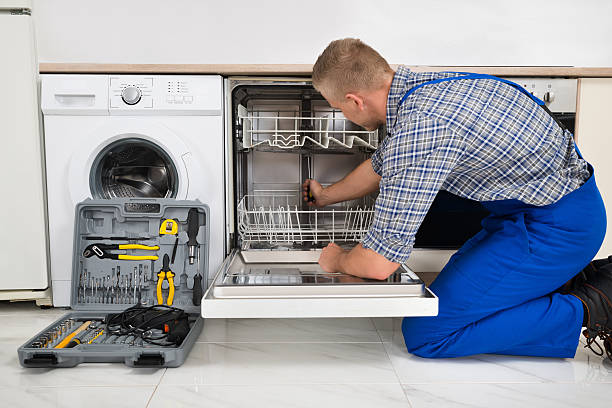
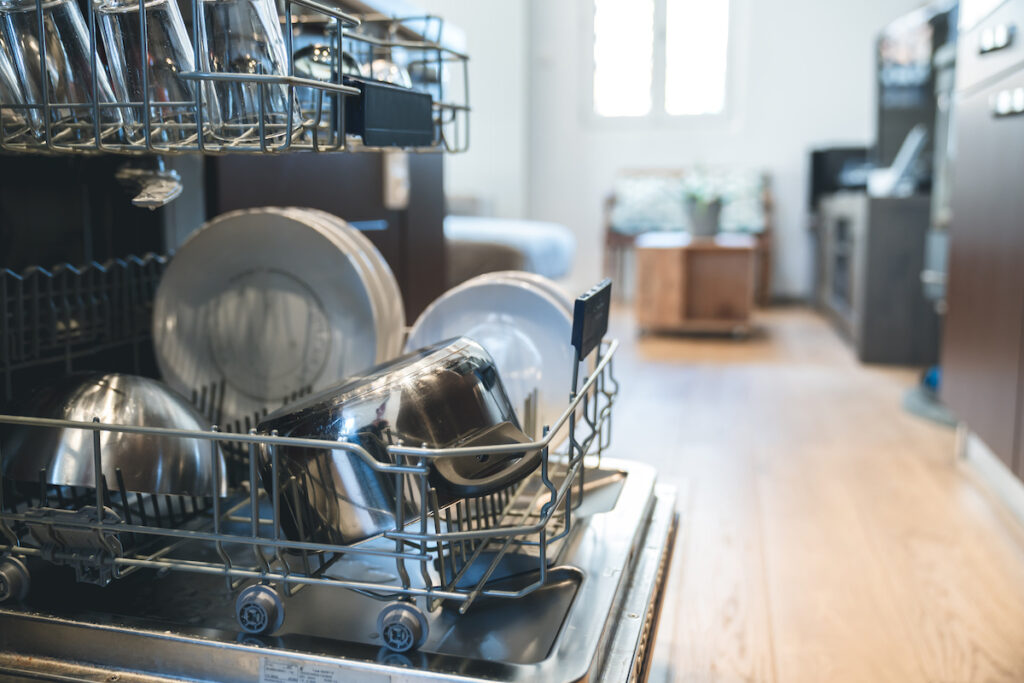
Brands We Service for Dishwasher Repair in Chelsea
Dishwashers share the same basic function but the engineering inside varies wildly between manufacturers. A European model handles drainage differently than an American model and diagnostic modes differ from brand to brand. We group our expertise to ensure we are applying the right knowledge to your specific machine.
Whirlpool Family and Similar Designs (Whirlpool, Maytag, KitchenAid, Amana)
These are some of the most common dishwashers found in Chelsea homes. They are generally known for their durability and effective food grinding systems. The chopper assembly in these units is great for cleaning but can become noisy if hard debris gets stuck inside. We are experts at servicing the motor and pump assemblies that define these workhorses.
Common issues we see with these models:
- Broken upper rack adjusters causing the rack to fall
- Food chopper area clogged with debris
- Control board failures on newer models
- Diverter motor leaks causing water on the floor
- Heating element terminals burning out
Why correct diagnosis matters: These units often use a diverter valve to switch water between spray arms. A misdiagnosis might lead to replacing a pump when the real issue is just a small seal or the diverter motor itself.
GE Family (GE, Hotpoint, and Related Lines)
GE dishwashers are popular for their hard food disposer systems and specific electronic control designs. Newer GE models use advanced sensors to detect soil levels in the water. We frequently work on their solenoid systems which control drainage and water entry.
Common issues we see with these models:
- Drain solenoid sticking preventing drainage
- Electronic control board unresponsiveness
- Door latch sensor failures
- Inlet valve screens becoming clogged
- Leaks from the main shaft seal
Why correct diagnosis matters: GE units often have service modes that allow us to test individual components like fans and heaters without pulling the machine out. Knowing how to access these modes saves time and improves accuracy.
Samsung and LG
These brands have brought significant innovation to the kitchen including linear wash systems and direct drive motors. They are heavily computerized and often feature melody chimes and hidden controls. The technology is impressive but requires a technician who understands digital logic and sensor inputs.
Common issues we see with these models:
- LE or OE error codes related to water leaks or draining
- Waterwall reflector issues on Samsung models
- Touchpad buttons not responding to touch
- Main PCB board failures
- Drain pump motor burnouts
Why correct diagnosis matters: These machines rely heavily on sensors. A “drain error” might actually be a sensor telling the board the unit is full when it is empty. We test the sensors to avoid replacing expensive boards unnecessarily.
Frigidaire and Electrolux
Frigidaire dishwashers are often found in renovated condos and apartments due to their sleek design and entry level price point. Electrolux models offer premium features with similar internal architecture. They typically use a specific style of wash motor that is integrated with the heater housing in some designs.
Common issues we see with these models:
- Circulation pump failure resulting in poor washing
- Top spray arm tube disconnecting
- Door springs snapping
- Heating element failures causing wet dishes
- Lower spray arm not spinning freely
Why correct diagnosis matters: Leak detection in these units can be tricky as the water often travels along the frame before dripping. We know where to look to find the true source of the leak.
Bosch and Thermador
Bosch is renowned for quiet operation and engineering excellence. These units do not use a hard food grinder but rely on a complex filtration system. They also heat water differently often using a flow through heater rather than an exposed element. They require a different approach to service particularly regarding their electrical junction boxes.
Common issues we see with these models:
- Water not draining due to pump blockages
- E15 error code indicating water in the base
- Cycle time extending significantly
- Door latch not engaging properly
- Odor buildup from clogged filters
Why correct diagnosis matters: Bosch units have a safety basin underneath that catches leaks. If water enters this basin the machine locks down. We know how to clear this safety mode and find the tiny leak that triggered it.
Understanding Common Dishwasher Error Codes
Modern dishwashers use digital displays to tell you when something is wrong. While these codes are helpful they are just a starting point for diagnosis. A code tells you what the computer thinks is wrong but testing is needed to confirm it.
- OE / 1E (LG, Samsung): Usually indicates a draining error. The machine detects water is not leaving the tub fast enough.
- LE (LG, Samsung): Often points to a motor error or a water leak sensor activation.
- F5 (Kenmore/Whirlpool): typically involves a spray arm latch or rotor issue.
- i10, i20, i30 (Frigidaire/Electrolux): These correspond to filling, draining, and leak detection respectively. i30 is a flood mode.
- E15 (Bosch): The leak safety system has been triggered. Water is in the base pan.
- E24 / E25 (Bosch): Indicates a drain error often caused by a blocked pump or kinked hose.
- Clean Light Flashing (Various): Often means a heating fault. The water did not reach the target temperature within the set time.
- H2O / Tap Icon: Indicates a water supply problem usually low pressure or a closed valve.
Maintenance Tips for Dishwasher Owners in Chelsea
Regular maintenance can extend the life of your dishwasher and prevent the need for professional repairs. The water quality in Massachusetts and the age of plumbing in Chelsea can affect how your machine performs. Here are some practical steps you can take to keep your appliance running smoothly.
First clean the filter regularly. Most modern dishwashers have a manual filter at the bottom of the tub. Twist it out and rinse it under hot water to remove trapped grease and food particles. A clogged filter restricts water flow and ruins wash performance. If you have an older disposal unit under your sink make sure it is clear before starting the dishwasher as they share a drain line.
Run a cleaning cycle with a dishwasher cleaner or a cup of white vinegar placed upright in the top rack once a month. This helps remove mineral buildup from hard water and soap scum that can accumulate in the pump and hoses. Wipe down the door seal with a damp cloth to prevent mold growth and ensure a watertight seal.
Be mindful of how you load the machine. Ensure that tall items like cookie sheets or cutting boards are not blocking the spray arms. If an arm cannot spin the dishes will not get clean. Also avoid overcrowding the silverware basket. Nesting spoons prevents water from reaching the soiled surfaces.
Lastly inspect the rack tines. If the plastic coating wears off the metal underneath can rust. This rust can travel through the wash system and stain your dishes or damage the pump seal. Repair rusted tines with touch up paint or replace the rack to protect the internal components.
Service Area for Dishwasher Repair in and Around Chelsea Massachusetts
Appliance Repair Pros is proud to be a local service provider. We are based in the community and understand the logistics of getting around Chelsea and the surrounding North Shore towns. From the busy streets near Bellingham Square to the quiet residential blocks in Prattville we are familiar with the area. We also serve the nearby communities ensuring that reliable repair help is never far away. We cover a service radius that includes the following locations.
- Chelsea
- Revere
- Everett
- Winthrop
- East Boston
- Malden
- Medford
- Somerville
- Charlestown
Zip codes we serve: 02150
Frequently Asked Questions
Is it worth repairing an older dishwasher?
This depends on the age and the issue. If your unit is under 8 years old and the repair is minor like a valve or seal it is usually worth fixing. For machines over 10 years old with major motor or control board failure replacement might be more prudent. We provide an honest assessment of the condition of your unit.
Why is there a white film on my glasses?
This is often due to hard water minerals or using too much detergent. Modern enzymes work best with specific amounts of soap. Try using a rinse aid and checking your water hardness. It could also indicate that the water is not getting hot enough to dissolve the detergent fully.
How long does a dishwasher repair take?
Most repairs are completed in a single visit. We carry common parts like valves, pumps, and solenoids in our trucks. If a specific control board or specialty part is needed we order it immediately and return as soon as it arrives to finish the job.
Do I need to pre rinse my dishes?
You should scrape off solid food bones and large scraps but pre rinsing is generally not necessary with modern enzymatic detergents. In fact the sensors in many new units need some soil in the water to determine how long to run the cycle.
Why is my dishwasher leaking from the front?
Front leaks are usually caused by a damaged door gasket, a loose dispenser latch, or using the wrong type of soap. Regular dish soap creates excessive suds that will push water out of the door seal. Ensure you are only using automatic dishwasher detergent.
Can you fix a dishwasher that is hardwired?
Yes, many dishwashers in Chelsea homes are hardwired directly into the home electrical system rather than using a plug. Our technicians are trained to safely disconnect and reconnect these units during service.
What should I do before the technician arrives?
Please clear any dishes out of the dishwasher if possible. Also clear the area under the kitchen sink as we often need to access the water supply and drain lines located there. Securing pets is also helpful for their safety and ours.
Why is there water in the bottom of my dishwasher?
A small amount of water near the filter is normal to keep seals moist. However if water is covering the bottom of the tub it indicates a draining issue. This could be a clog, a pump failure, or a blocked air gap.
Is there a dishwasher repair service near me?
Yes, Appliance Repair Pros is located locally and serves Chelsea and the immediate surrounding areas. We are your neighbors and are ready to assist with your appliance needs.
Do you repair garbage disposals as well?
Yes, since the dishwasher drains through the disposal the two systems are linked. We can clear jams and replace faulty garbage disposals to ensure your entire kitchen sink drainage system works correctly.
Conclusion
A broken dishwasher throws a wrench in your daily household management. At Appliance Repair Pros we are dedicated to getting your kitchen back to normal with efficient and effective repair services. We combine technical expertise with a deep respect for your home ensuring that every repair is done right. Whether you are in Chelsea, Revere, or Everett we are here to handle your dishwasher problems with professionalism. We diagnose the issue accurately, explain the solution clearly, and provide the quality service you deserve.
Reach out to us for assistance.